
Ten things that matter in your first fights in Bruisers 2D Boxing: stamina, distance, the corner, weight and money.
Bruisers 2D Boxing Tips for Your First Ten Fights
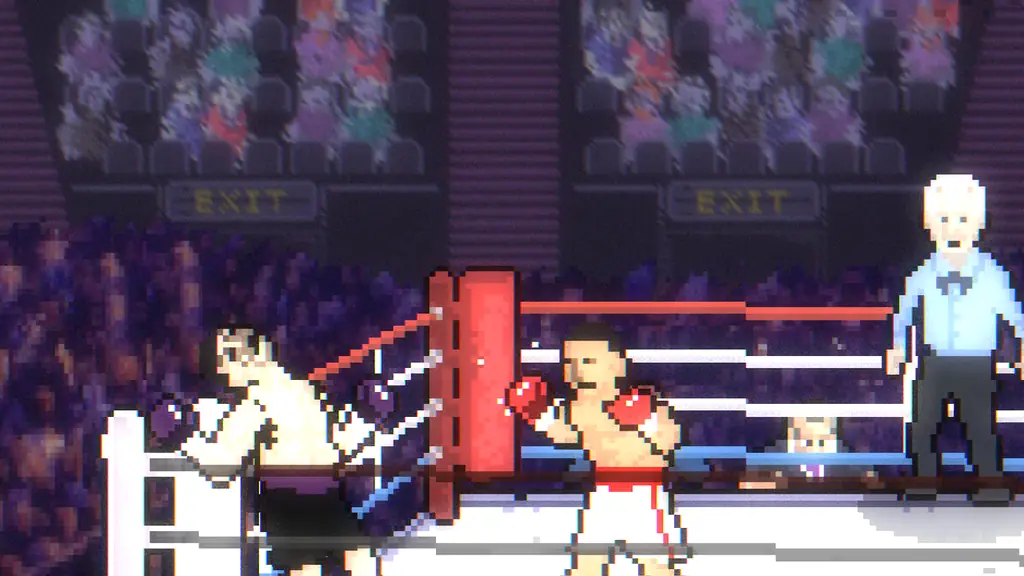
Ten things that matter in your first fights in Bruisers 2D Boxing: stamina, distance, the corner, weight and money. Source: Bruisers 2D Boxing on Steam
Bruisers looks like a 16-bit boxing game and plays like a small simulation. Most new players lose their first career run in the camp, not in the ring. These are the habits that keep a run alive.
1. Fight at the edge of range
The single biggest difference between a new player and a good one is distance. Standing in the pocket with full stamina feels productive and is not: you eat counters, your guard drains, and the CPU reads your rhythm.
Stay one step outside jab range, let the opponent commit, then step in. The game rewards controlled distance more than volume.
2. Learn one counter before you learn five punches
Pick a single defensive read — slip the straight, or parry the hook — and drill it until it is automatic. A counter you can land on demand beats a full punch set you throw at random.
3. Body shots are an investment
Body work drains stamina, and the between-round card shows exactly how much damage you have banked to the head and body. Two rounds of body shots will not win the fight, but it will make round five and six yours.
4. Never enter a fight below full energy
Training and work both cost energy, and the game refuses actions you cannot afford. It does not stop you from signing a fight you are too tired to win. Check energy before you accept.
5. Repair injuries before the next camp
Damage carries over between fights, tracked per body part: head, body, left and right arm, left and right hand. A sore hand that you keep using becomes a damaged hand, and a damaged hand cannot throw a hook without risk.
Healing costs scale with your level, so early repairs are cheap. Use that.
6. Set a meal plan, then forget it
The BruiseFuel store lets you save meal presets. Build one high-protein plan for camp and one lighter plan for a cut, save both, and stop shopping hungry. Players who improvise their diet every week either miss weight or waste money.
7. Cut weight early
Weight loss taken slowly costs almost nothing. Weight loss in the final week costs energy, performance and sometimes the fight. Start the cut the moment the bout is signed.
8. Choose your style's win condition, not its stats
- Slick wins by not being there: side-step, counter, pot-shot.
- Bully wins by making the fight ugly: clinch, body work, haymaker.
- Balanced wins by adapting: probe, then commit.
Bully in particular cannot side-step, so do not build a game plan around slipping out of the corner.
9. Use the clinch instead of taking a breather on the ropes
Tie your opponent up when your stamina is low, then punch in the clinch to wear them down before the referee separates you. It is the cheapest way to steal thirty seconds.
10. Learn the corner mini-games now
Swelling and cuts are managed between rounds with timing inputs. A fight you are winning on the cards can be stopped because you fumbled the cut repair. Practise the corner mini-games in low-stakes amateur bouts.
11. Read CompuBruise after every fight
The post-fight card gives punch percentages, head and body counts, per-round scoring and the judge's name. If your hook lands at 18% across six rounds, stop throwing it and work the straight.
12. Do not touch the dark net in year one
The emailed code is real, and the black market sells genuine shortcuts. It also brings drug tests, suspensions and mob expectations at exactly the point where you have no money to absorb them. Save it for a run where you are already winning, or skip it entirely and keep a clean record.
One more: pick fights you can win, not fights that look impressive
Rankings move on quality wins, but a loss to a top-ten fighter at year two can end a run's momentum. The Contenders list is 60 deep; there is always a fair fight one or two ranks below the tempting one.
When the basics are automatic, move on to the career mode guide and the training guide.
FAQ
What is the biggest beginner mistake?
Throwing full combinations with an empty stamina bar. Everything in the game is paid for with stamina, including defence.
Should I play Slick or Bully first?
Balanced is the most forgiving, Slick teaches distance and Bully teaches pressure. Slick is the better long-term teacher.
How do I stop losing on the judges' cards?
Land cleaner shots in the last thirty seconds of each round and avoid clinching in front of the judges; the scoring rewards visible work.
Sources
More Bruisers 2D Boxing Guides
Whether Bruisers 2D Boxing is coming to PS5, Xbox or Nintendo Switch, what the store page says, and how likely a console port really is.
How the controls work in Bruisers 2D Boxing: moving, punching high and low, slipping, parrying, clinching and the corner mini-game inputs.
A guide to the between-round corner in Bruisers 2D Boxing: swelling drain, cut repair, tool switching, pressure and how to stop a fight being stopped on you.
How the Darknet works in Bruisers 2D Boxing: buying dope, gear and services off the books, what it costs, and how the risk lands on your fighter.
How defence works in Bruisers 2D Boxing: slipping, parrying, head movement, catching and shooting, and the reads that turn defence into offence.
What doping does to your fighter in Bruisers 2D Boxing, how the vitals panel reads, heart damage, and why a chemically enhanced career is a risk decision.
How the Bruisers 2D Boxing roster works: named opponents, records, divisions, and how to scout a fighter before you sign the contract.
How to play career mode in Bruisers 2D Boxing: building a fighter, booking fights, training camps and making weight.